I. Client Overview
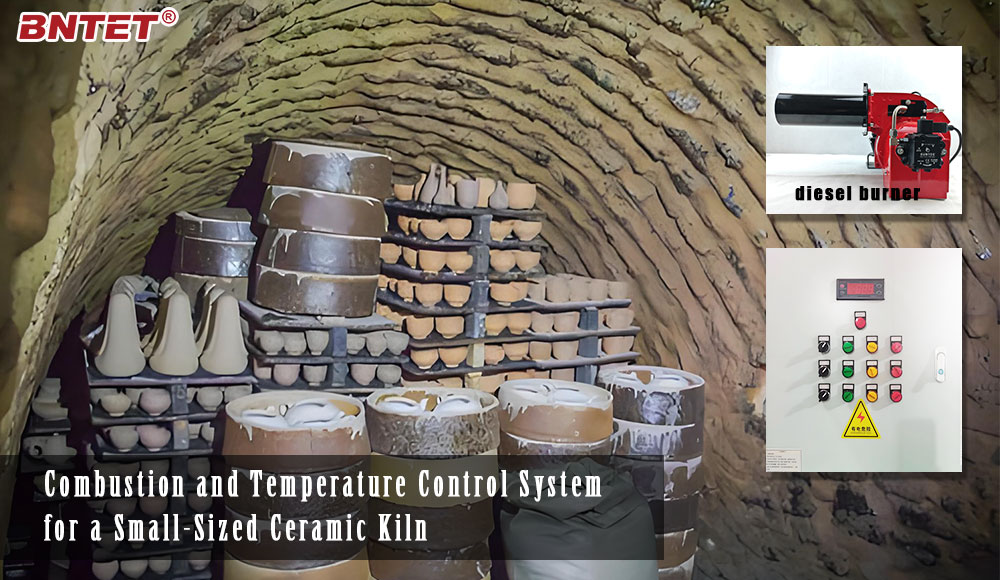
The client is located in Brazil and operates a ceramic workshop. The existing kiln dimensions are: length of 20 meters, internal width of 4.5 meters, classifying it as a small, elongated kiln. The client's core objective is to achieve a stable firing temperature of up to 1000°C, and they have explicitly requested a configuration using fuel oil burners integrated with a temperature control system.
II. Initial Requirements and Challenges
Original Requirement: Based on experience, the client estimates that their 20-meter-long kiln body requires approximately 6 burners to meet the thermal demand.
Space Constraint: The client's mention of "podia ser um menor" (could be smaller) suggests that the current kiln size may exceed actual production needs, or indicates a desire to optimize space utilization, pointing to a potential demand for a more compact and efficient solution.
Clear Technical Specification: Must achieve a firing temperature of 1000°C, with a specified preference for fuel oil burners, indicating the client has a clear equipment preference or consideration based on local fuel supply (e.g., diesel).
Control Requirement: Needs an integrated temperature control system to achieve precise and stable firing curves, ensuring ceramic product quality.
III. Solution: BNL10 Burner System Integration and Optimized Design
Addressing the client's explicit requirements and potential optimization points, we proposed the following customized solution:
Combustion System Configuration:
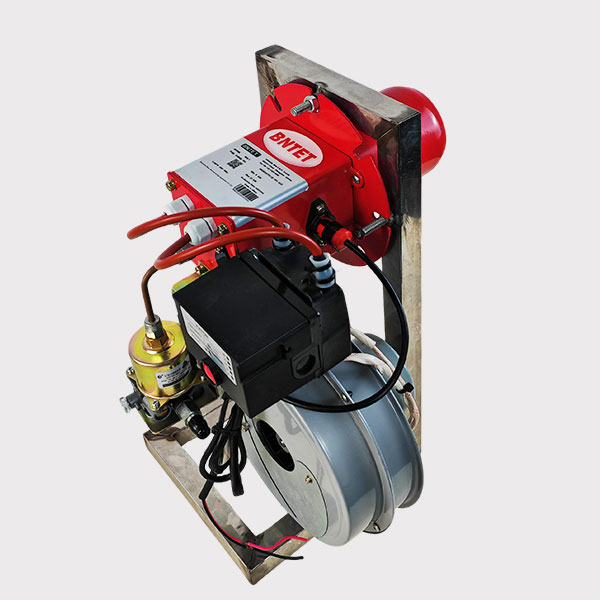
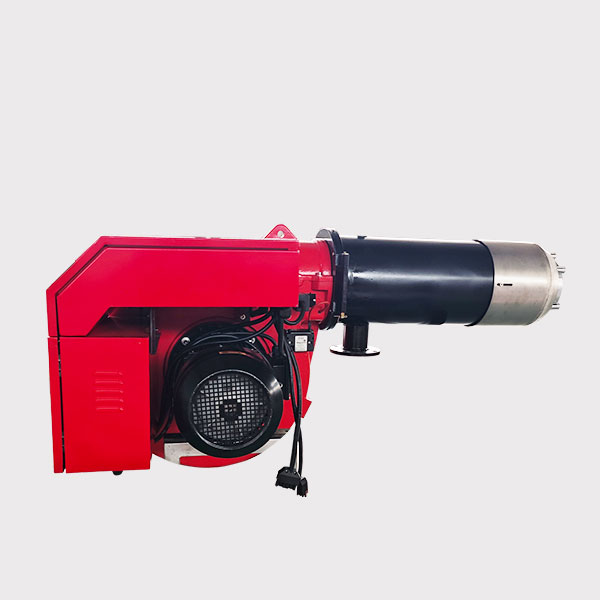
Core Equipment: Supply 6 BNL10 model fully automatic fuel oil burners. Known for their compact structure, reliable ignition, wide turndown ratio, and suitability for small to medium-sized industrial kilns, this model perfectly matches the client's kiln dimensions and temperature requirements.
Layout Optimization: Considering the client's hint towards a "smaller" option, we re-evaluated the thermal design. We recommended installing the 6 BNL10 burners along the 20-meter length using a "staggered arrangement on both sides" or a "one-side arrangement with enhanced internal circulation". This design ensures temperature uniformity across the kiln's cross-section, preventing local hot or cold spots. It aims to achieve equivalent or superior thermal performance through optimized layout, potentially allowing for a reduction in the number of burners, and provides the client with an option for future kiln modification.
Intelligent Temperature Control System:
System Composition: A multi-zone intelligent temperature control system is adopted. The 20-meter kiln body is divided into 2-3 independent control zones (e.g., preheating zone, firing zone, front end of cooling zone), with each zone managed by a group of 2-3 BNL10 burners.
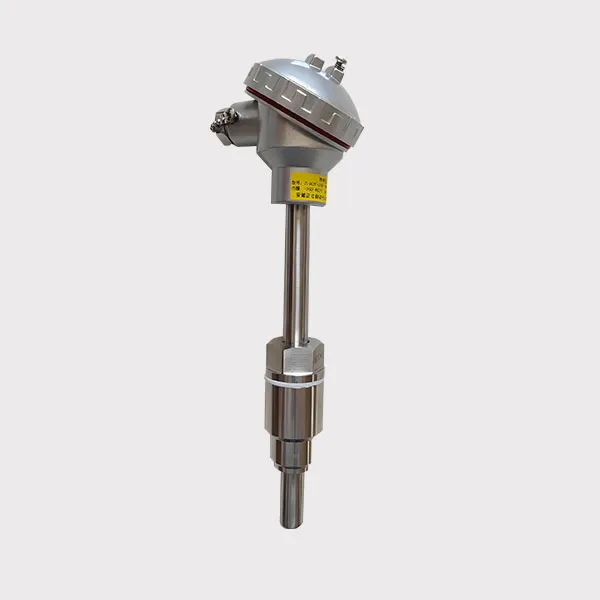
Control Logic: Each zone is equipped with K-type thermocouples that transmit temperature signals to a central PLC/touch-screen temperature controller. Based on preset firing curves (ramp rate, soaking time, target temperature of 1000°C), the controller uses PID adjustment to precisely regulate the fuel supply and combustion air ratio for the BNL10 burners in each zone, enabling fully automatic operation.
Safety and Recording: The system includes flame monitoring, over-temperature alarms, flame-out protection, and data logging capabilities, allowing the client to track process parameters for each firing and optimize product quality.
Energy Efficiency and Structural Optimization Recommendations:
Kiln Body Insulation: We advised the client to inspect or upgrade the kiln's refractory insulation materials to reduce heat loss, ensuring efficient utilization of heat from the 6 BNL10 burners.
Compact Alternative: We provided the client with a design calculation for an alternative "15-meter-long kiln with 4 BNL10 burners". By enhancing insulation and optimizing airflow, this scheme can also achieve 1000°C, with lower investment, operational costs, and a smaller footprint, offered for the client's decision-making reference.
IV. Implementation and Results
Implementation: The client ultimately adopted the 6 BNL10 burners + three-zone intelligent temperature control system solution based on the existing 20-meter kiln. We provided equipment export and remote guidance for installation and commissioning services.
Results:
Goal Achievement: The kiln easily and stably reached and maintained the 1000°C firing temperature, with temperature variation across different points controlled within ±10°C.
Efficiency Improvement: Automatic temperature control made the firing cycles more stable and reliable, significantly increasing product yield.
Client Feedback: The client expressed high satisfaction with the operational stability of the BNL10 burners and the user-friendly nature of the temperature control system.
V. Case Value
The key to the success of this case lies in:
Respecting Client's Explicit Needs: Strictly configuring according to the client-specified BNL10 model, meeting their trust in the equipment brand or local compatibility requirements.
Providing Professional Optimization Suggestions: Not only meeting the initial requirements but also proactively offering more compact and energy-efficient alternatives from thermal design and economic perspectives, demonstrating professional value.
Systematic Solution Approach: Designing the burner and intelligent temperature control as an integrated system, ensuring the precision of final temperature control and the level of production automation.
This case demonstrates how to provide Brazilian small and medium-sized ceramic enterprises with customized kiln upgrade solutions that align with their clear equipment preferences while incorporating professional thermal engineering optimization, helping them enhance production quality and efficiency.


 Español
 中文
中文 русский